1/28/1950
Mid-20th century- Concept of videogames
When shortly after the appearance of the first electronic computers after the end of World War II, the first attempts were made to implement recreational programs.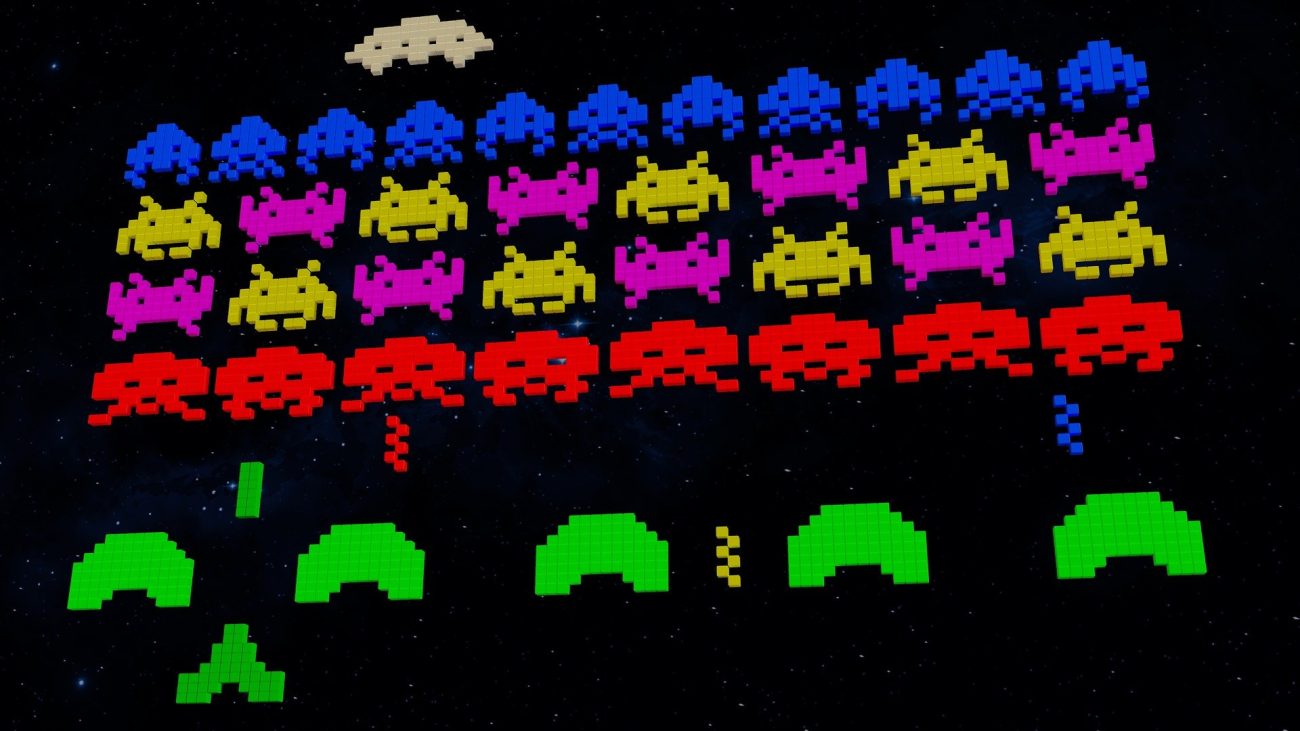
Here we are going to see a timeline, describing some events throughout history about video games and how they have evolved and have become involved in human life over time.
1/28/1950
When shortly after the appearance of the first electronic computers after the end of World War II, the first attempts were made to implement recreational programs.
1/27/1967
Video games are pretty common nowadays, but their history has been all about racing to keep up with new technology, facing tough times and big changes really fast. Instead of slowing down, everything keeps moving forward with one clear goal: to keep coming up with new ideas and getting better. Since video games are made just to be played and enjoyed, that makes the push to improve even stronger.
1/30/1970
There was a widespread stigma towards them, especially in the United States, where they were seen as children's toys or a trivial pastime.
Video games have grown rapidly in popularity, but many media outlets are still hesitant to recognize their merits beyond entertainment.
1/1/1972
Arcade machines:Operate with coins.
Personal computers: capabilities superior to consoles in terms of gaming.
Videogames Consoles: Devices originally created mainly for playing video games, offering a simpler and more user-friendly experience compared to personal computers.
Handheld Consoles: These are consoles that don’t need to be connected to an external screen like a TV, since they have a built-in display.
1/1/1979
With the apparision of:
It revolutionized the market by allowing games to be swapped using cartridges.
This marked the true rise of home entertainment through video games.
1/1/1985
Key Consoles:
Technological Advancements:
1/30/1985
Their social impact is undeniable: they have been deeply integrated into daily life, dominating much of free time in modern societies. Children, teenagers and adults around the world dedicate hours a week to this form of digital entertainment. This perspective is backed by studies such as those by Diego Levis, an expert in the analysis of digital culture and its evolution.
12/27/1987
16-bit processors provided more vibrant colors, smoother animations, and higher-quality sound, creating a more immersive gaming experience.
Stereo sound and enhanced graphics made games feel more alive and detailed compared to the previous generation.
Expansion of franchises like Sonic the Hedgehog, Super Mario, and Street Fighter solidified their place in gaming culture.
1/1/1994
The Fifth Generation of video game consoles, spanning the mid-1990s to the early 2000s, marked a dramatic shift in the gaming industry. This era introduced 32-bit and 64-bit systems and saw the rise of 3D graphics, which changed the way games were designed and played.
1/1/2000
5/1/2025
The Seventh Generation of video game consoles, spanning from the mid-2000s to the early 2010s, was a transformative era for gaming. It was defined by the rise of HD graphics, motion controls, and the growth of digital gaming. This period saw intense competition between console makers, as well as major advancements in gameplay, online capabilities, and multimedia features.