October 19, 2025
Learn more about Videogames
The first Games
- Origins (Pre-Console Era)
We all know that videogames don´t have a properly concept. However, Video games are seen as a rebirth of very old leisure ideas, tracing back to ancient games like the Egyptian Senet (father of Backgammon). Another first digital game were Nought and Crosses (OXO) by Alexander Shafto Douglas (using digital graphics but no animation).

First True Game: Spacewar! (1960s, MIT, by Steve Russell) is widely considered the first video game, though it wasn't commercially released due to machine cost.
- INDUSTRY EVOLUTION & CONSOLE WARS
The Console Wars Begin (2nd & 3rd Generations)
- 2nd Gen Conflict: The Magnavox Odyssey faced competition from Atari, which offered better features and pricing, eventually winning a key copyright lawsuit.
- 3rd Gen (8-bit) Domination: Nintendo revitalized the industry with the NES, implementing strict control over cartridge licensing. Key titles like Super Mario Bros.
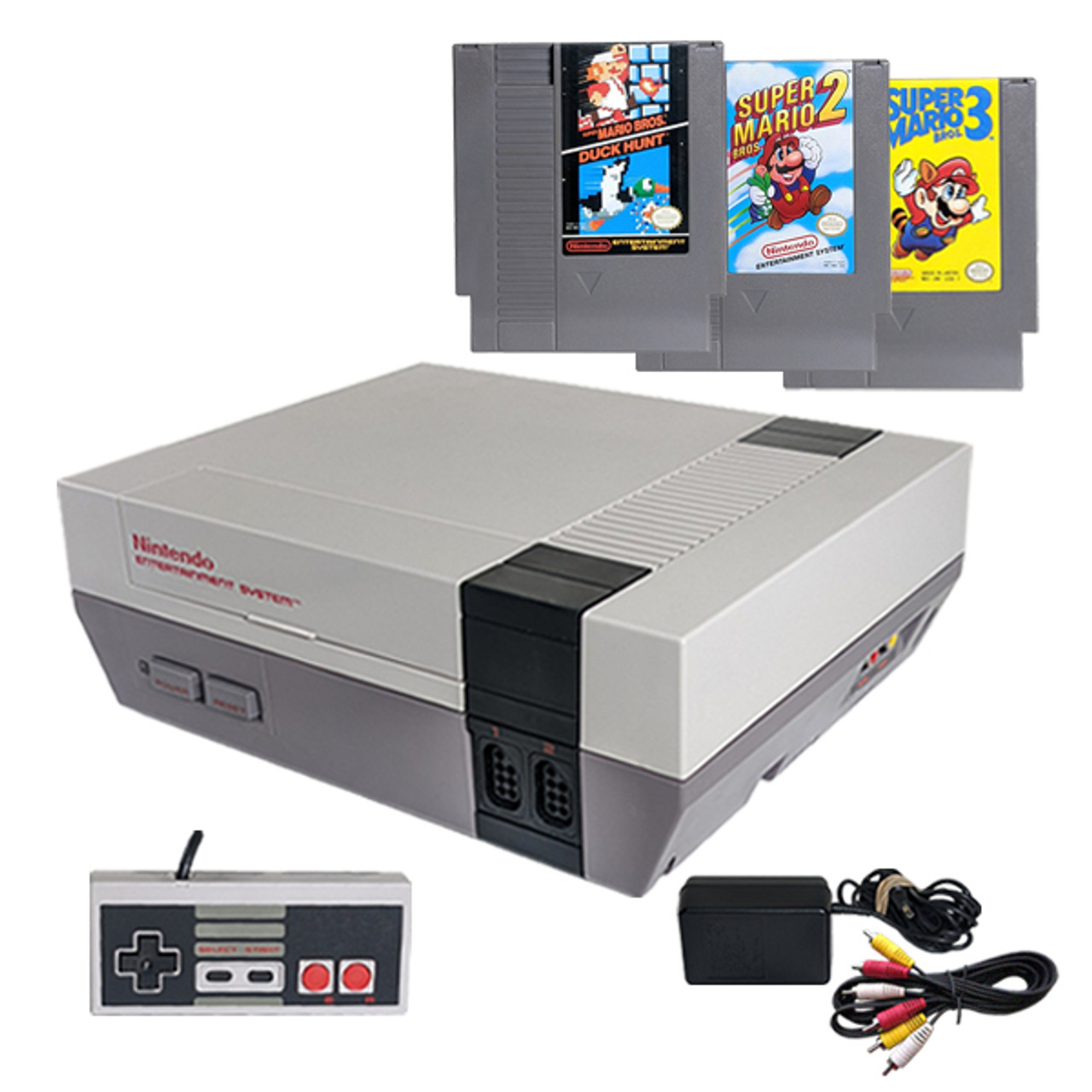
- The 16-bit Challenge: NEC introduced the PC Engine (Turbografx), a superior 16-bit machine that chipped away at Nintendo's market share.
 The Bit Wars and the CD Revolution (4th & 5th Generations)
- 4th Gen (16-bit): The "War of the Bits" pitched the Sega Mega Drive/Genesis against the SNES. Consoles maintained popularity over PCs due to lower cost.

- 5th Gen (3D/CD): This era introduced 3D graphics and the CD-ROM format.
- Sony PlayStation (1994): A massive success (32-bit, CD-based) that became the standard, featuring titles like Final Fantasy VII.
- Nintendo 64 (1996): Stuck with cartridges, which limited its capacity compared to CD rivals.
- Sony PlayStation (1994): A massive success (32-bit, CD-based) that became the standard, featuring titles like Final Fantasy VII.
The Modern Era: Online and Innovation (6th & 7th Generations)
- 6th Gen & Arcade Decline: Arcade popularity rapidly declined as home consoles offered equivalent quality. Sega exited the hardware market after the Dreamcast (1998), which pioneered built-in online play.
- PlayStation 2 (2000): Became the best-selling console ever (150M+), featuring DVD playback.
- Xbox (2002): Microsoft's entry, technically superior to PS2, with strong titles like Halo.
- PlayStation 2 (2000): Became the best-selling console ever (150M+), featuring DVD playback.
- 7th Gen (HD & Motion): Characterized by a three-way race and the standardization of online services.
- Xbox 360 (2005): Established paid online services (Xbox Live). Suffered the infamous "Three Red Lights" overheating issue.
- Wii (2006): Achieved massive sales success by focusing on motion control innovation with the Wii Remote, rather than raw power.
- PS3 (2006): Introduced the PlayStation Network for online play.
- Xbox 360 (2005): Established paid online services (Xbox Live). Suffered the infamous "Three Red Lights" overheating issue.
